

Authentic Over AI
Balancing AI and Authenticity: The Rise of Anti-AI Marketing
Authenticity drives trust
Marked Communications | 24-11-2025
Table of Contents
Balancing AI and Authenticity: The Rise of Anti-AI Marketing
Companies all over the world are doing something new now. They tell their customers that their products were made by real humans, not computers or machines. They put it on their boxes. They put it on their websites. They say things like “Made by hand,” “Written by real people,” and “No AI used here.” This is happening everywhere, and it’s becoming big as a way to sell things. Customers want to know what real people made what they are buying. This is changing how every company now talks to its customers.
Before, companies always wanted to appear modern and fancy; they wanted customers to think that they had the newest computers and better technology. But customers are getting tired of this, and all they want is real stuff so that they can trust what they buy. Therefore, now companies say, “a real person made this.” More and more companies use this message to sell things. It is working because people really do care about this.
What Is Happening And Why Companies Are Doing This
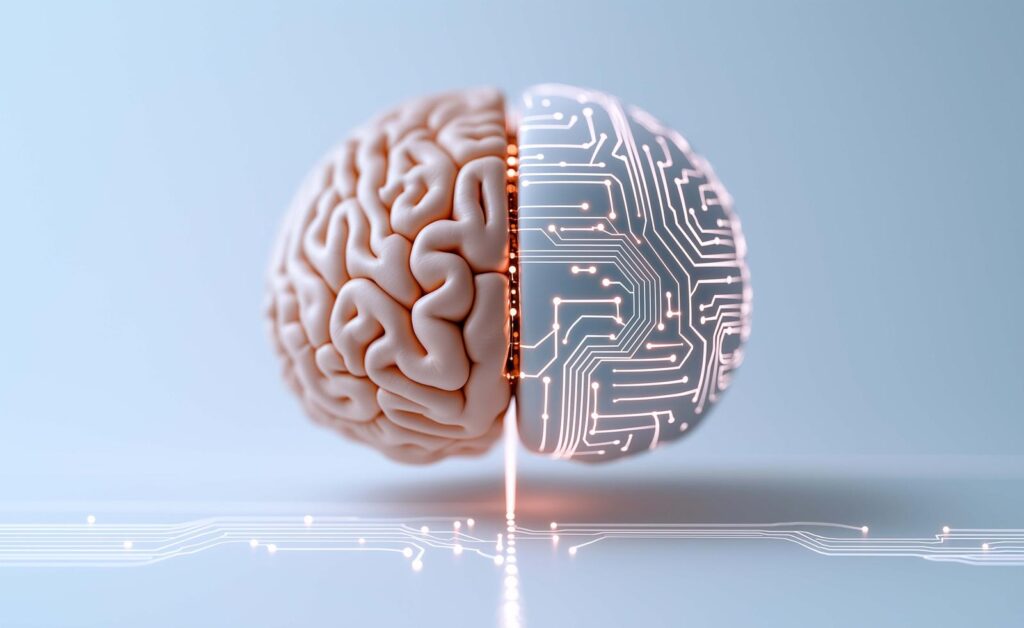
When a company tells the customer that the products were made by real humans and not by machines. They want people to know that an actual human being did the job, not a computer. They place this message everywhere so that people see it and remember it.
This started because people got worried about computers doing everything. People saw news stories about how computers are taking jobs from real people. When people see a picture made by a computer or read something written by AI, many think it is fake. They are worried that nothing is real anymore. Companies noticed this way of thinking and it started using it in the way they were selling things.
The idea is simple and it works: if people like real things more than fake things, then telling them a real person made something will make them want to buy it more. So instead of hiding that humans did the work, companies are shouting about it. They’re making it the main thing they talk about.
It is really working well. Customers are paying attention to this message. Some customers will also pay more money if they know a real person made what they are buying. That is a lot of money for companies, so now more and more companies are doing this.
Real companies all over the world doing this
Let’s look at what real companies around the world are actually doing right now. A coffee company in Japan, Blue Bottle Coffee, was able to create an entire business around this principle. They roast their coffee by hand in small batches. And they make sure everyone knows about it. “Hand-roasted just days before you drink it.” They could do the opposite: use huge machines to roast coffee quickly and cheaply. But they don’t. They roast by hand. People in Tokyo and New York and Seoul pay more money for this coffee because they know real people roasted it. This company is now worth billions of dollars because they told people the truth about how they work.
Venchi is a chocolate maker in Italy that has made chocolate for more than one hundred years. They mostly still make it by hand in their shops. In the shop window, you can see the workers making chocolate. They mix it, they shape it; they pack it by hand. On their website, they tell people about this. They say, “Made by our chocolate makers since 1878.” People come to buy them from all over Europe. They have stores in Rome, Milan, Paris, and London. They’re expensive, but people buy from them because they know real people made their chocolate.
In India, a tea company, The Tea Spot, started selling teas they say are “made by real farmers not factories.” They work with small tea farmers in Darjeeling and Assam. They put pictures of the farmers on their boxes. They tell the story of who grew the tea. People want to buy from them because they feel connected to the real people who grew their tea. This company is growing fast and now they sell in India, UK and the United States.
In Mexico, a man named Javier started making tortillas by hand the old way his grandmother taught him. He could use machines to make thousands of tortillas every day. But he makes them by hand. He only makes what he can make by hand each day. His customers line up each morning to buy his tortillas. He charges more than the machine-made tortillas from the store but people come back every day because they want the real thing.
In Germany, there is a brewery called Hofbrau that tells people its beer is made as it was five hundred years ago. Real people brew it – not machines. They use old methods of brewing beer. They put this story on their bottles and in their advertisements. People around the world buy their beer because they know real Germans made it the old way. They could make beer with machines and be cheaper but they don’t.
The Brazilian company manufacturing beauty products from the plants of the rainforest informs customers that their products are handmade by women from Amazon. You see the faces of women on the bottles. It tells you their names, and where they come from. People buy this product because they know real women made it, and they’re helping real women make money.
Why People Care About This So Much
People care because, to them, the world is just not real anymore. They see computer-made pictures that almost feel real but are not. They read things written by computers that sound okay but do not feel right. They buy things made by machines, and nothing feels real anymore. So when a company tells them “a real person made this,” that makes them feel good; it feels true and honest.
They also think about jobs and families. They are
afraid that computers take work away from real people, and that families will lose money. When they purchase something made by a human instead of a machine, they almost feel as if they are helping some real people keep their jobs. They feel that they are helping to feed real families. This, in turn, will make them feel good about spending their money. They are not just buying a thing, they are helping real people.
People trust real people much more than they trust machines. They know that people care about doing good work. They know people feel bad if they do bad work. When you buy from a real person, you feel like you can trust it more. You feel like someone who cares about you made it right and good.
Also, things made by humans are not all the same exact thing. One cup of coffee is a little different from another. One loaf of bread from a baker is different from another loaf. One hand-written letter is different from another letter. Everything is a little unique and different. That is what people like. It makes things feel special. Machines make everything the same every time. Same but boring. Humans make things that are interesting and special.
The Bad Side And The Problem
But therein lies the large problem. Some companies lie about this. They say real people did things when they really did not. They just want to take money from people who care about this. A company might say that a real person authored something when really it was written by the computer and then a person simply changed a few of the words. This is nothing close to honest.
This lying is a big problem because afterward, people stop trusting anyone. If companies lie, then customers get angry and upset. They do not believe what companies say anymore. They can’t know who told the truth and who lied. It is also bad for honest companies because now people do not trust them either.
Another problem is that this does not work for every company. Some companies really do need machines to work; they cannot make everything by hand. A company that works with big numbers and data needs computers. And a company which needs to work very fast will not do so by hand. Thus, for some companies, this way of selling does not make any sense and will not work.
Also, computers are not bad or wrong in their use. Computers can do some things really well and really fast. Computers are never tired. Computers don’t make mistakes the way people do. Some jobs really do need computers to work. If a company uses computers the right way, it is good for customers. The problem is not computers. The problem is lying about using them or hiding that you used them.
When AI is Okay And When It Is Not Okay
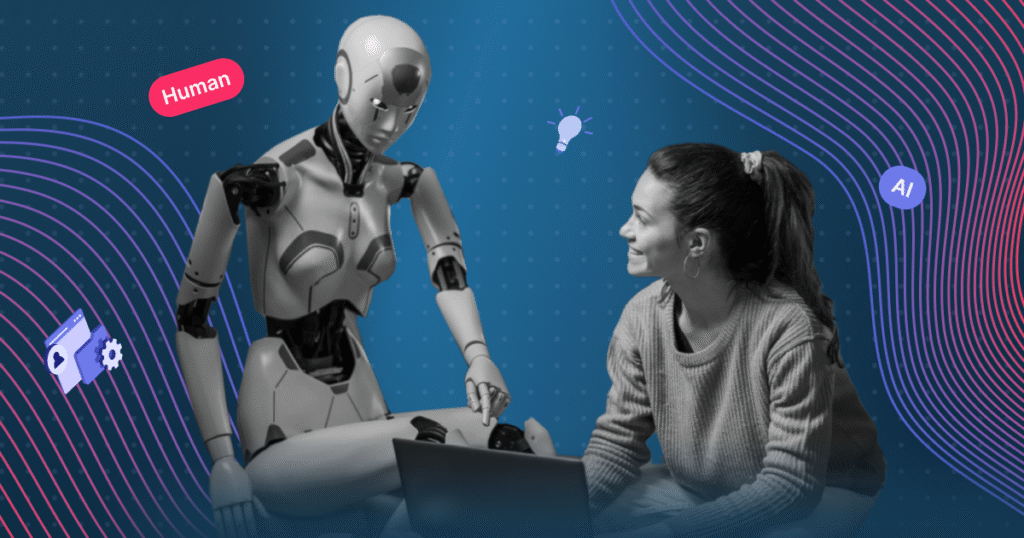
Here is what really matters most: Companies should just tell the truth about how they work. If you use computers, just say so. If you did not use computers, say that. If you use computers a little bit and people a lot, just tell the truth about that. Just be honest and open about it.
Some things are okay to use computers for. If computers help a company work faster and the prices go down for customers, that is good. If computers help make things better and safer, that is good too. If computers help a company give better service to people, that is good. Some companies really do need computers to do their job and that is okay and fine.
But the customer should always be informed. If
you’re purchasing something, you have a right to know how it was created. You should know whether this was written by a real person or if it was written by a computer. You should know if this was made by a real person or if this was made by a machine. That’s fair. That’s honest. That’s the way it should be.
This new way of selling works because it tells people the truth, and people like and respect that. It only works, though, if the truth is real and honest. The minute companies start to lie about it, everything falls apart, and customers will be right not to trust anyone at all.
What Will Happen In The Future
This is going to keep growing and growing. More and more companies will find ways to tell customers that real people did the work. Some of this will be true and real and some of it will be lies. Real people need to watch out for the lies and check what is true.
But here is what will probably happen: companies that tell the truth will do much better and make more money; companies that lie will get caught, and their customers will leave them. People will get better and better at knowing what is real and what is fake. People will learn to check and see if the truth is being told or if the companies are lying.
The companies that do best and make the most money use both computers and real people in the right way. They will use computers where it makes sense and use real people where real people are needed. And they will be honest and open with customers about how they work and what they do.
Right now we are in the middle of this big change. We are trying to figure out what we really want and need. Do we want cheap things made by machines or do we want real things made by people even if they cost more money? Do we want computer writing or do we want human writing? Do we want the same thing every time or do we want interesting things that are a little bit different each time?
These are the big questions being asked by companies and customers alike right now. The new way of selling is showing us a lot of people want the real thing. They want to know that a real human was part of making what they buy. They want to feel like they know the real person who made their stuff and that real people will see their money.
The Key To Take Away
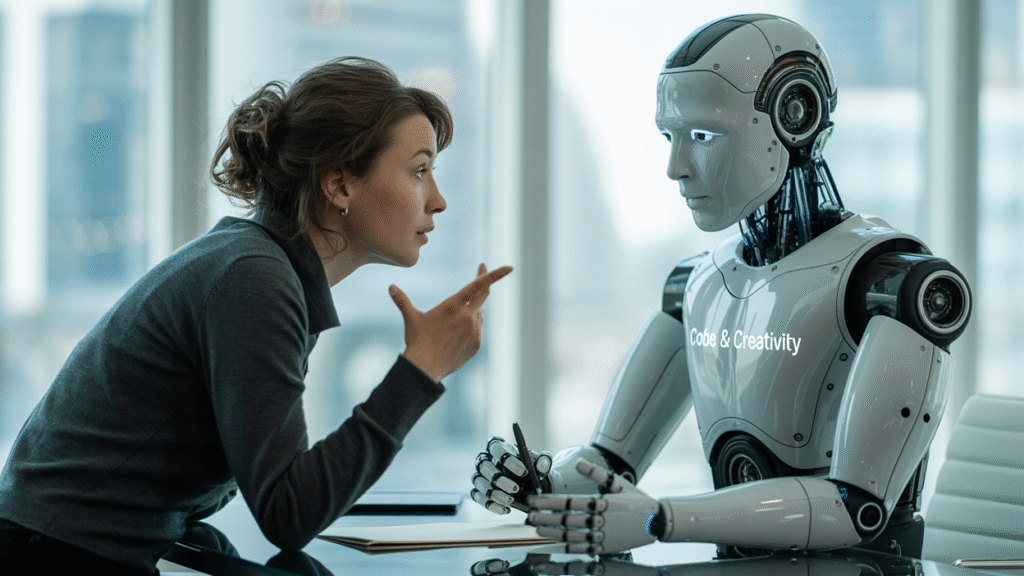
This new way of selling is growing because it is what customers really want right now. People want real things. People want honest things. People want to know if a real human did the work. Those companies that know this and do this are doing well and making money. Companies who lie will fail and lose customers.
The most important thing is this: being honest works more than anything. Telling the truth about how you make things works more than hiding or telling lies about it. If it is real people that did the work, say it loud and tell everyone. If you used some machines, tell the truth to customers about that too. People respect honesty and the truth more than anything else in the world.
This is the future of selling things now. It is not about having the best machines anymore, it’s about being real and being honest and telling the truth. It’s about making things that people can trust. It’s about letting real humans do the work and telling people about it and showing them who did it. That’s what people want to buy now. That is what really matters.
Do you want to start your project now?